Hiring Engineering Support Early to Build Smarter, Stronger, and More Sustainable Projects
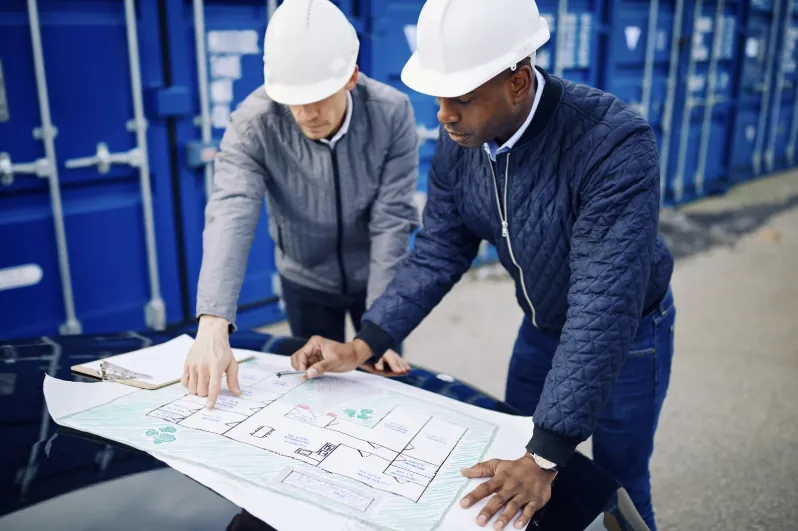
Engineering is at the heart of progress. From the bridges we cross every day to the products we use at home and at work, engineers are the problem-solvers who make things work safely and reliably. Yet many business owners wait until a problem appears to call one.
Bringing the right engineer in early can save you money, time and headaches. This guide explains why, which type of engineer you might need, and how to hire well.
Why bring in an engineer early?
Decisions made at the start of a project, such as the site, the materials or the design, shape almost everything that follows. Changes are cheap on paper and expensive once building or manufacturing begins. An engineer involved from the start can:
- Spot problems early, before they turn into costly redesigns or delays.
- Make realistic budgets and timelines based on what the project actually needs.
- Help with permits and codes, which often require stamped drawings from a licensed engineer.
- Improve quality and safety, so the finished project lasts.
- Find efficiencies, such as lower energy use, fewer parts or simpler manufacturing.
Which type of engineer do you need?
- Civil engineers: site development, roads, drainage, utilities and infrastructure.
- Structural engineers: make sure buildings, additions and renovations can safely carry their loads.
- Mechanical engineers: machines, heating and cooling systems, and physical product design.
- Electrical engineers: power systems, lighting, controls and electronics.
- Environmental engineers: sustainability, water and air quality, and environmental regulations, a growing need as industries move toward greener solutions.
- Product or design engineers: turn an idea into a prototype and then into something that can be manufactured.
Not sure which one you need? Describe your project to an engineer or advisor and ask. Many projects need more than one discipline working together.
Signs it's time to call an engineer
- You're buying land or a building, or planning to build or renovate.
- You're developing a physical product and need a working prototype.
- Your local permit office asks for engineered or stamped drawings.
- You're seeing cracks, leaks, overheating or other signs that something isn't working as it should.
- You want to cut energy costs or meet new environmental requirements.
How to hire the right engineer
- Check the license. Engineers who sign off on public projects and permit drawings are usually licensed as a Professional Engineer (PE) by a state board. Most state boards offer an online license lookup, and NCEES lists every state board.
- Look for relevant experience. Ask for examples of similar projects, in size and type.
- Define the scope. Agree in writing on what they'll deliver: drawings, calculations, inspections or prototypes.
- Understand the fees. Engineers may charge hourly, a fixed fee or a percentage of the project cost.
- Ask about communication. Who's your main contact, and how often will you get updates?
Questions to ask
- Have you worked on projects like mine? Can I see examples?
- Are you licensed in our state, and do you carry professional liability insurance?
- What will you need from me to get started?
- What are the biggest risks you see in this project?
- How long will your part take, and what could delay it?
Building a physical product?
If you're turning an idea into something you can sell, engineering is only one piece. Alioup Invent guides you from sketch to market, including design, prototyping and manufacturing. For software and apps, Alioup Develop builds from first version to launch.
Find engineering talent on Alioup
The Alioup Engineering Professionals Directory helps you connect with civil, mechanical, electrical, structural and environmental engineers. Each profile highlights expertise and contact information, so you can skip the guesswork and start building partnerships right away.
With the right partner, your vision moves from blueprint to breakthrough.